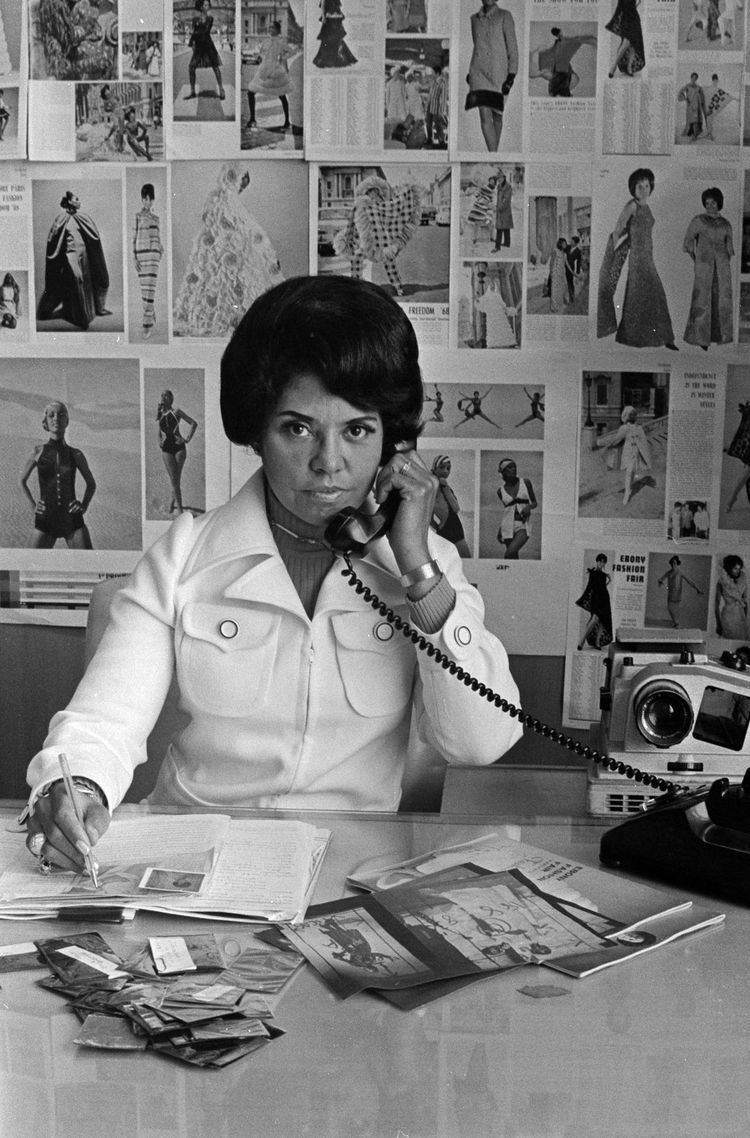
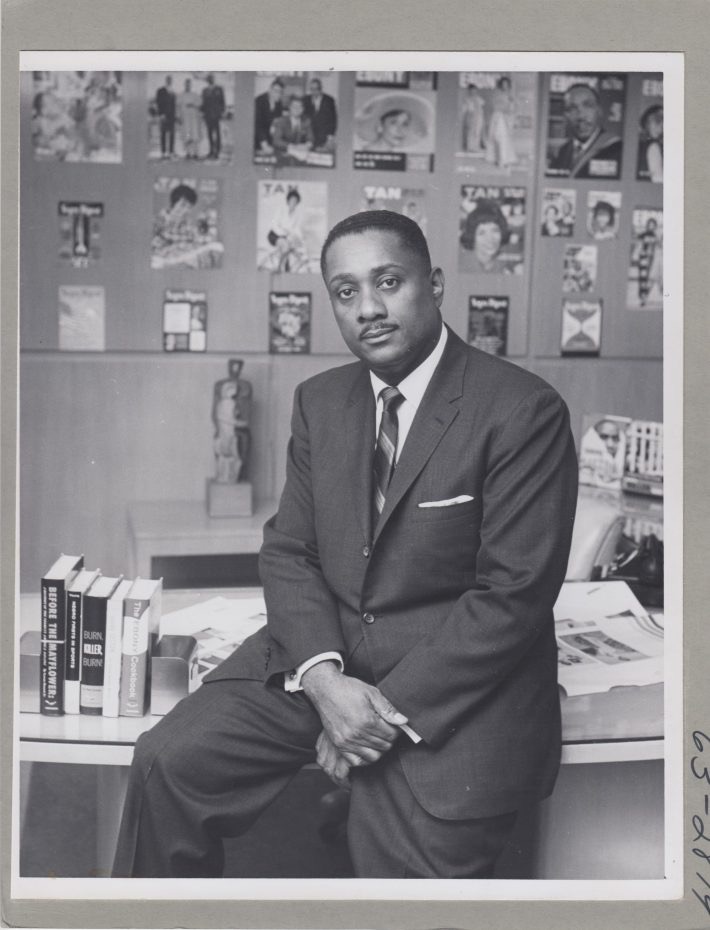
The Johnson Publishing Company (1942), founded by Eunice and John Johnson in Chicago, is responsible for the most successful Black magazines in history. Eunice Johnson was a beauty entrepreneur, executive and journalist, alongside her husband, publisher John H. Johnson. The power couple is responsible for Negro Digest (1942), Ebony (1945), Ebony Fashion Fair, & Jet Magazines (1951). The rapid growth they received from Negro Digest would inspire them to create Ebony, a monthly designed to emulate life & style. Ebony is named after the Black African wood, to capture Blackness in its entirety. Mr. Johnson is quoted in saying, “If you change what people see, you can change what they believe.” In the early 1970s, the company’s staff consisted of 300 people. The Johnson’s son John H. Johnson Jr. served as a staff photographer and their daughter Linda served as fashion coordinator before becoming CEO in 2003.
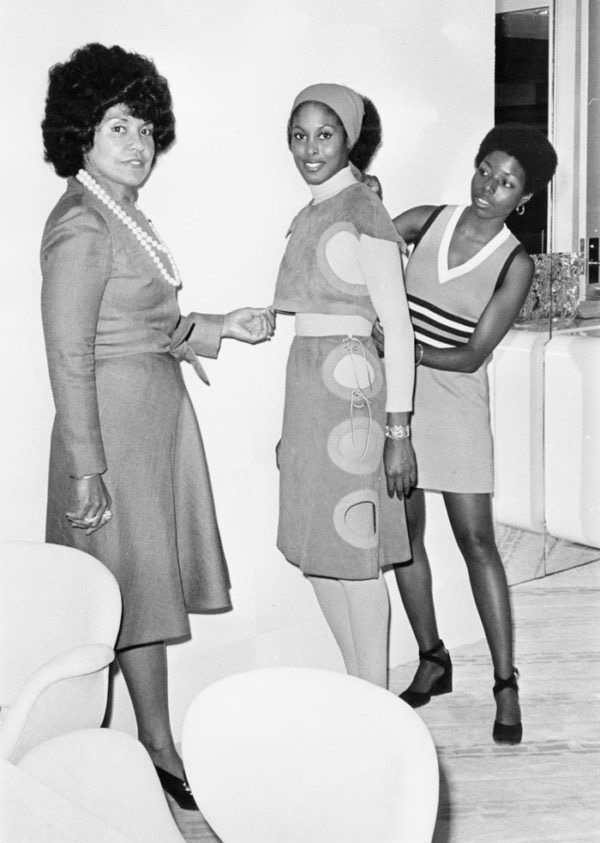
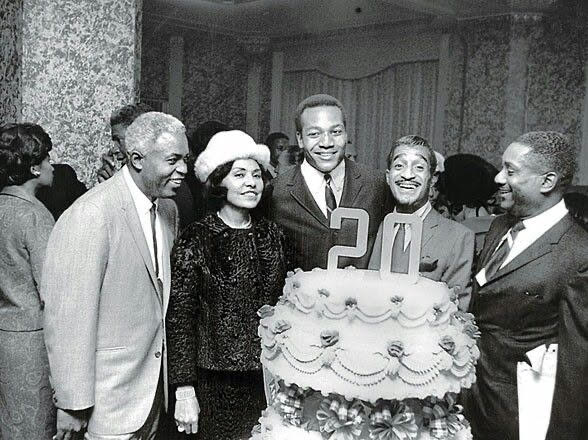
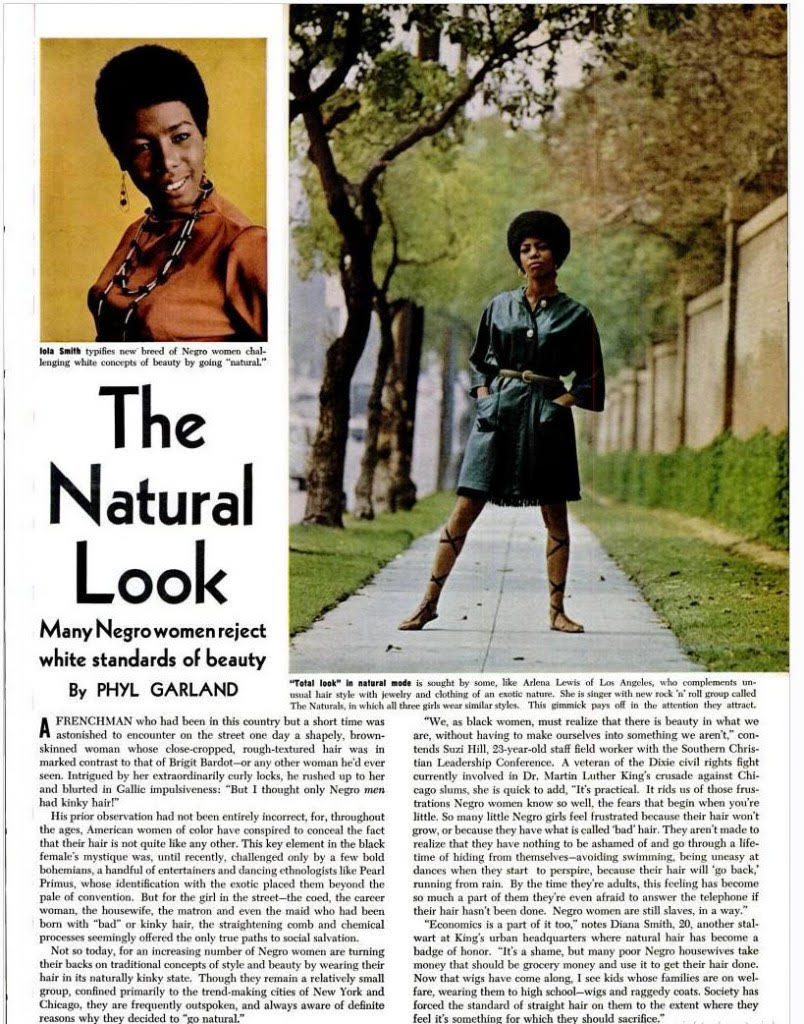
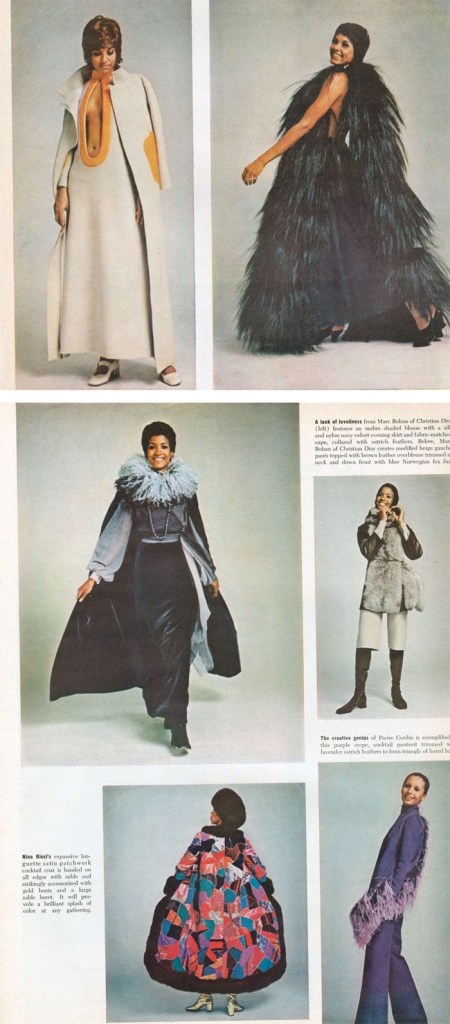
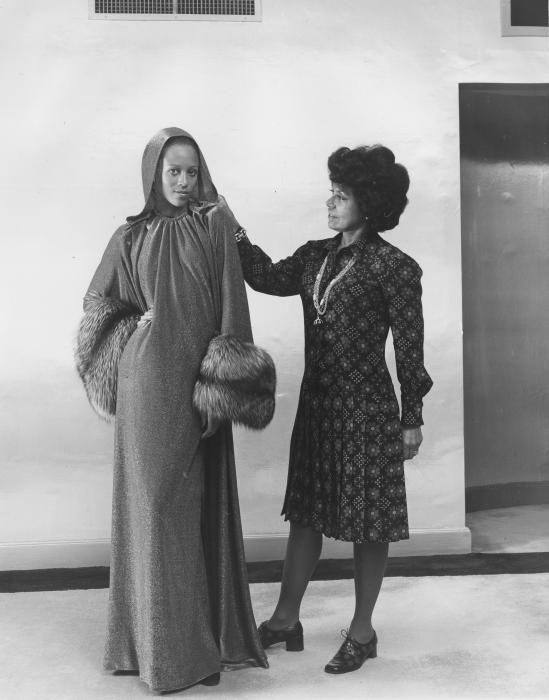
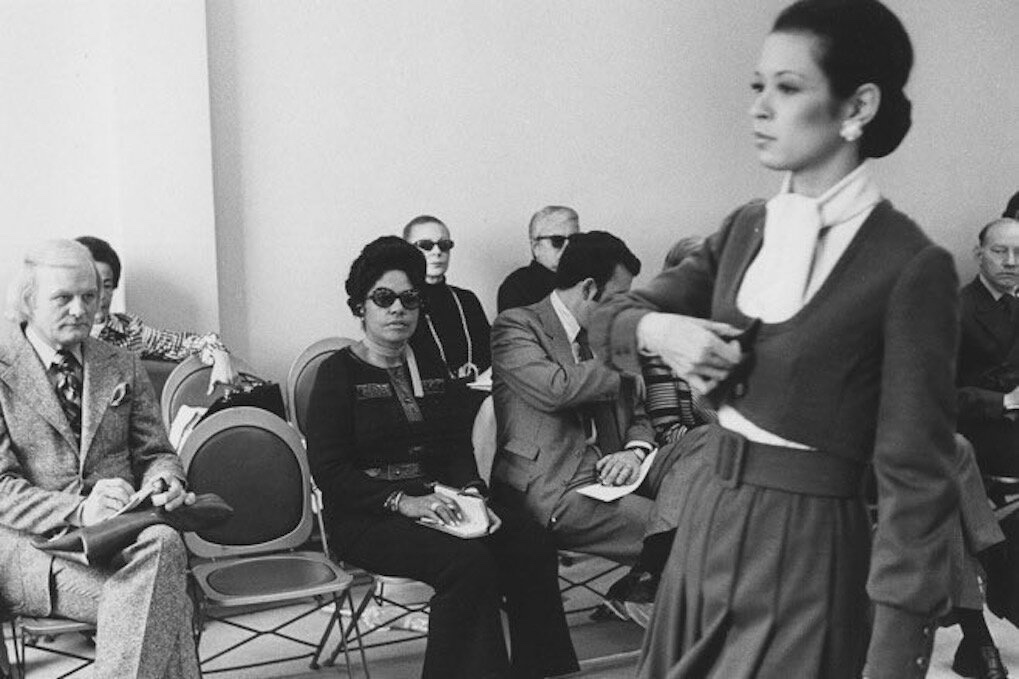
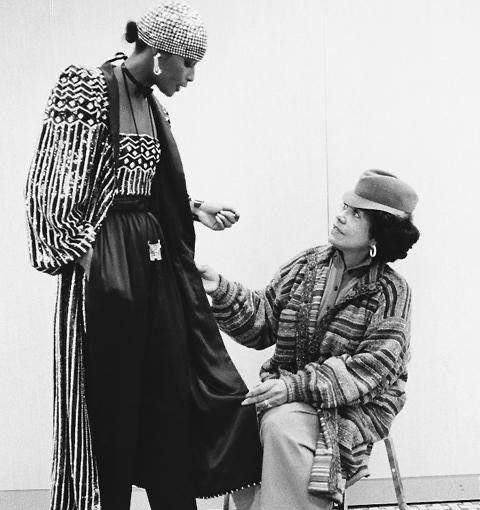
Eunice Johnson was on a quest for culture, art, and fashion. The aesthetic we love about vintage Ebony is because of her vision. Mrs. Johnson would take trips around the world for inspiration and look for the very best fashion at that time. The Ebony Fashion Fair’s goal was to convey the message that Black women could look like a million dollars. The Fashion Fair also provided opportunity for Black stylists, models and designers. I think Mrs. Johnson’s legacy with Ebony was that there’s another world for us, that it’s attainable and we can strive for it. There were no images of Black people in magazines to this extent, which is why Ebony sold so fast. Ebony articles were one of a kind. An article that stands out in particular is a 1966 article written as a response to the natural hair movement triggered by the Black Power movement. In a time where the magazine focused on elegance and high fashion, I thought it was significant to introduce their readers to this growing change, as well as offer representation to the natural hair movement that would expand in the 1970s.
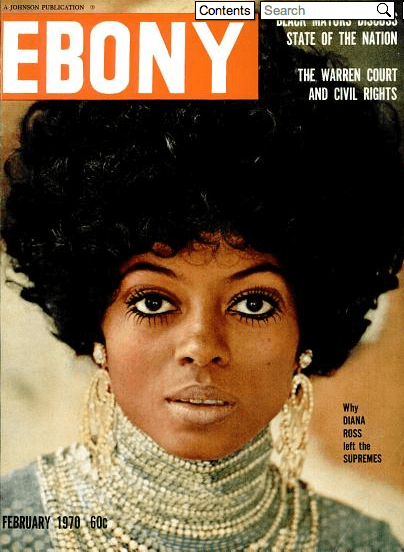
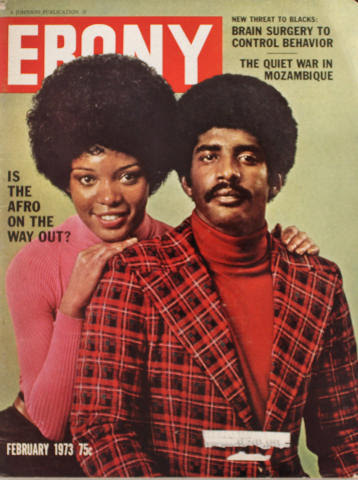
Ebony’s aesthetic is bold, bright, and colorful. The covers have a signature style of presenting Black people luxuriously and usually joyfully. From examining the covers I know that the Johnson’s vision was to completely change the narrative when reaching Black America. They understood the power of the Black dollar and they understood the power of the media. Showing up as your best was a common theme. Ebony aimed to express the value in looking better and feeling better. You will usually see photos of people in their best gowns, best pieces, best hair and best jewelry. I recall the 1970 issue that Diana Ross covered…she wore a pale green gown drenched in pearls with rhinestone earrings and long lashes with her curly fro. I think that image of Diana Ross showed her perfectly and authentically. Ebony also branched into television, film, and radio.
 THE BLACK RENAISSANCE
Leave a reply to Nakyia Ward Cancel reply