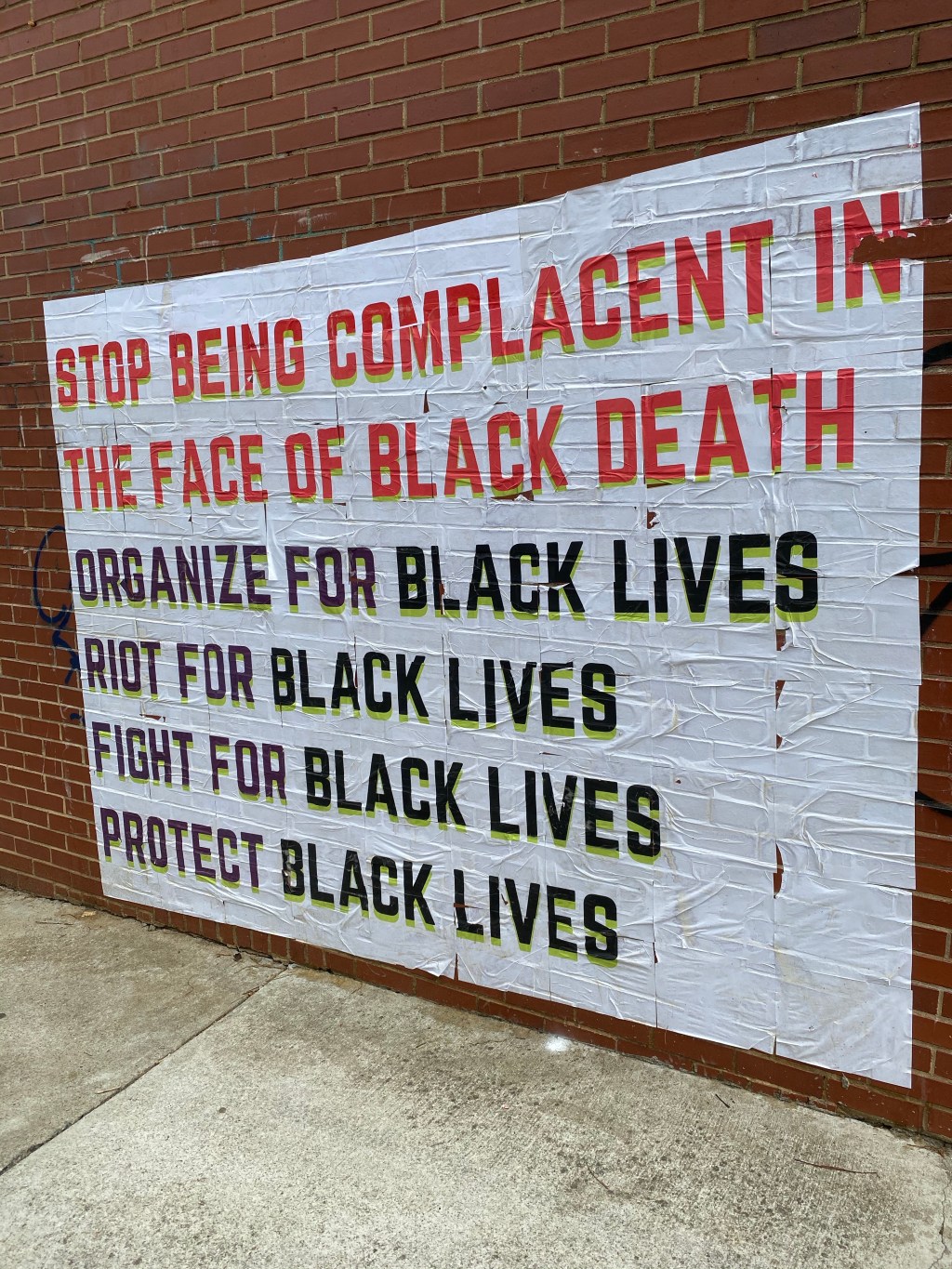

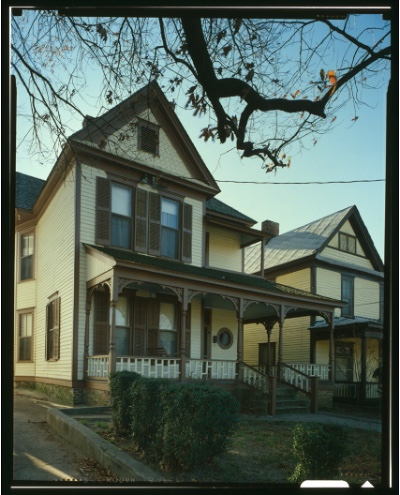
Yesterday I took a walk down Auburn Avenue, one of the most historic areas in Atlanta, home of great Black innovation and opportunity. Three minutes away from the heart of the neighborhood, I began to see unfamiliar demographics and condominiums that simply looked out of place. The reminder of how historically beautiful Atlanta is lies in the vintage architecture, the richness and grittiness of the area. The renovation of a home or business is to keep it well taken care of and restored to its original splendor, like a sculpture in a museum, but when we begin to see the city erasing the culture, we, the community have a problem that only we can fix.
First, we must understand how extraordinarily significant Auburn Avenue aka “Sweet Auburn” is to Atlanta. Sweet Auburn Historic District reflects the history, heritage and achievements of Atlanta’s African Americans. The name Sweet Auburn was coined by John Wesley Dobbs, referring to the “richest Negro street in the world.” Like other black communities throughout the country, Sweet Auburn’s success was intricately tied to the residential patterns forced on African Americans during the early 20th century–the result of restrictive laws in southern states which enforced segregation of the races, known as Jim Crow laws. It was here that many African Americans established businesses, congregations, and social organizations. Auburn Ave is home to the Auburn Avenue Research Library on African American Culture and History , The African-American Museum (APEX Museum), The Royal Peacock, the first Black owned barber shop and one of the first Black newspapers, Atlanta Daily World. The very first church Martin Luther King preached in, Ebeneezer Baptist church, his birth home, his burial, the homes of the first Black lawyers, doctors, businessmen etc. in the state of Georgia are all located in this area; Not to mention how beautifully built the houses are, including “shotgun houses”. Sweet Auburn was designated a National Historic Landmark in 1976. However, like so many other inner-city neighborhoods, Sweet Auburn fell victim to lack of investment, crime and abandonment, compounded by highway construction that split it in two. In 1992 the National Trust for Historic Preservation recognized that it was one of America’s 11 Most Endangered Historic Places. This lack of support would begin around 1980s in the midst of the crack era, hurting a large portion of the community in the area in a magnitude of ways. A handful of people still keep the neighborhood up to par, which is why we are still able to experience the history, but the other half of the city either owns the property and does nothing with it, or is beginning to change our beloved Black city.
So what can we do? A lot of these decisions are not made alone. We have the ability to prevent these changes by actively voting, attending city counsels and meetings, conducting our own counsels and meetings, being aware of what is happening, investing in real estate, and taking it upon ourselves to keep our neighborhoods clean and functioning while protecting our historic areas from predators. If you live in this city, you are lucky enough to witness what was and still is the best city for Black uprising. It is up to us to take care of what was passed down to us, not waiting until someone with no regard for our neighborhoods come in and take it as their own. If we do not save our culture, our city will no longer be our city.
Email theblkrenaissance@gmail.com for any inquires, questions, ideas or collaborations!
 THE BLACK RENAISSANCE
Leave a comment